
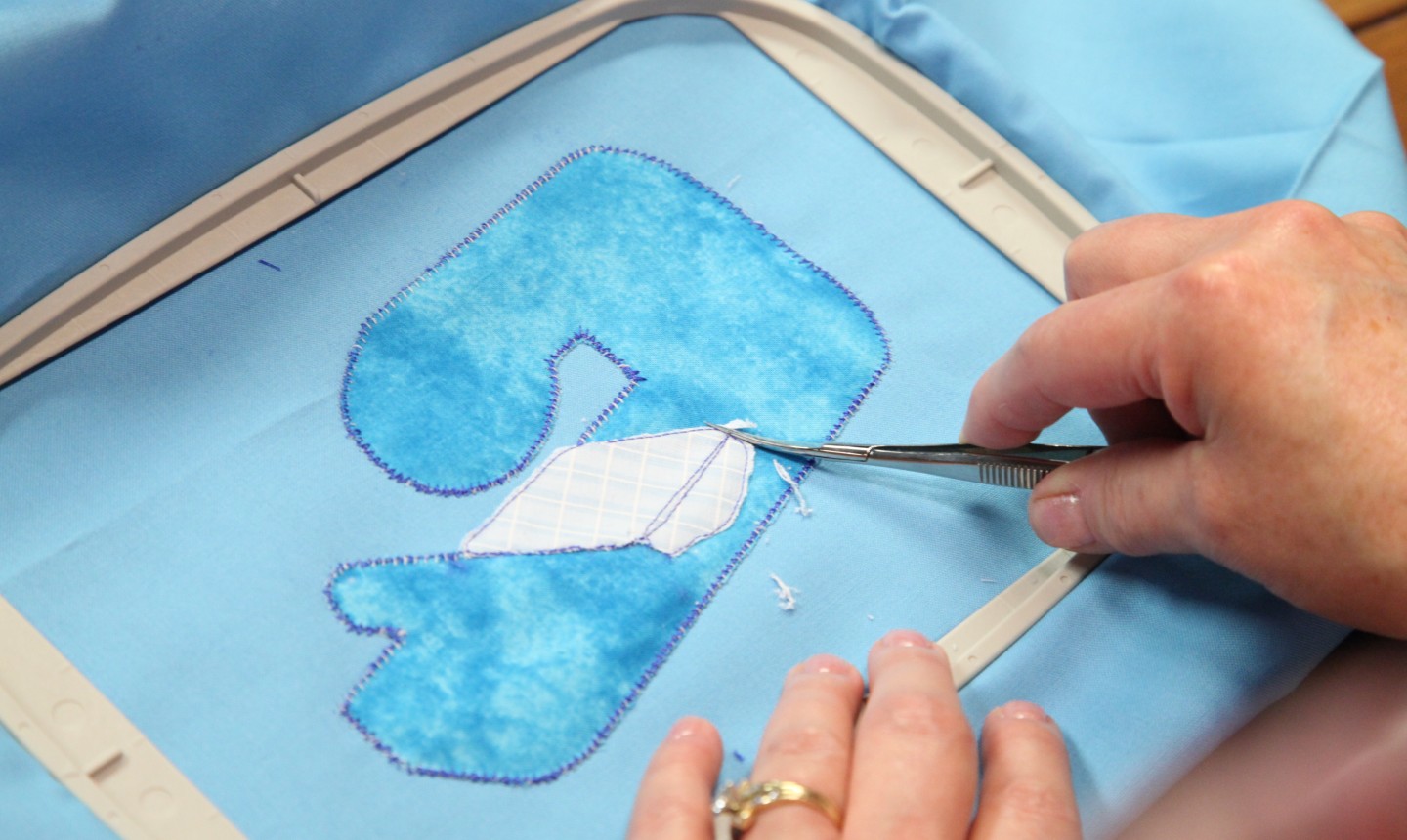
Pick the wrong stabilizer, and even a perfect design will pucker, shift, or sink into the fabric. Pick the right one, and the same design stitches out clean and flat. If you’re hunting for the best stabilizer for machine embroidery, the honest answer is that it depends on your fabric. This guide matches each common fabric to the stabilizer that suits it best.
What Does Stabilizer Actually Do?
Stabilizer is a backing that supports fabric while the needle stitches. An embroidery design can hold thousands of stitches. Without support, the fabric pulls, stretches, and distorts under that weight.
A good stabilizer does three jobs:
- It keeps the fabric steady in the hoop
- It prevents puckering and gaps around the design
- It helps stitches look crisp instead of sunken
Choosing the best stabilizer for machine embroidery starts with knowing the main types.
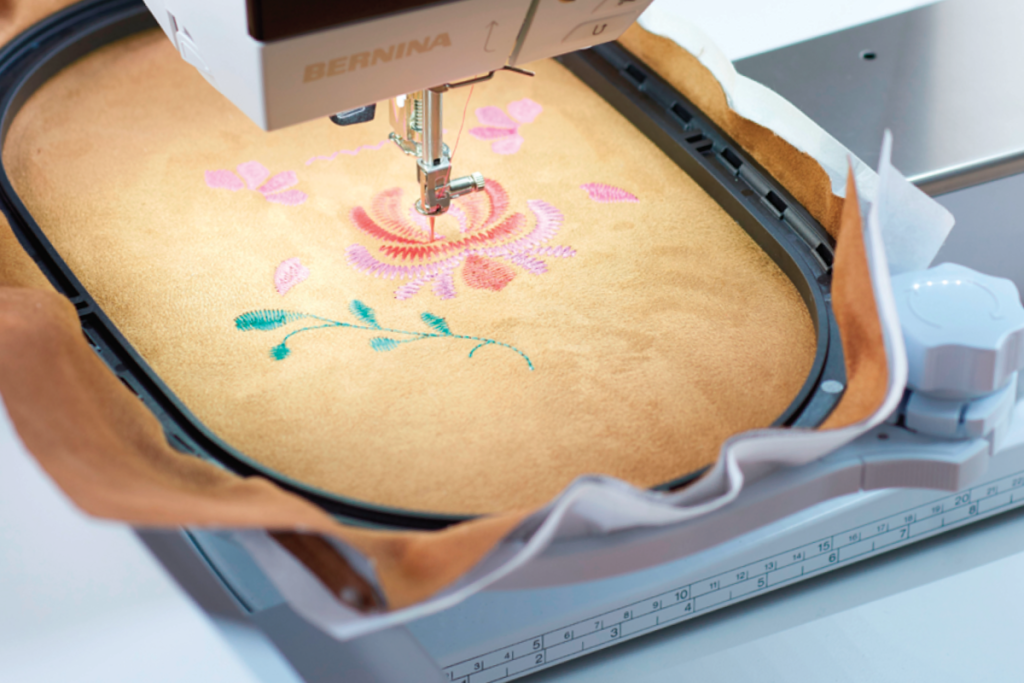
The Four Main Types of Stabilizer
Cutaway Stabilizer
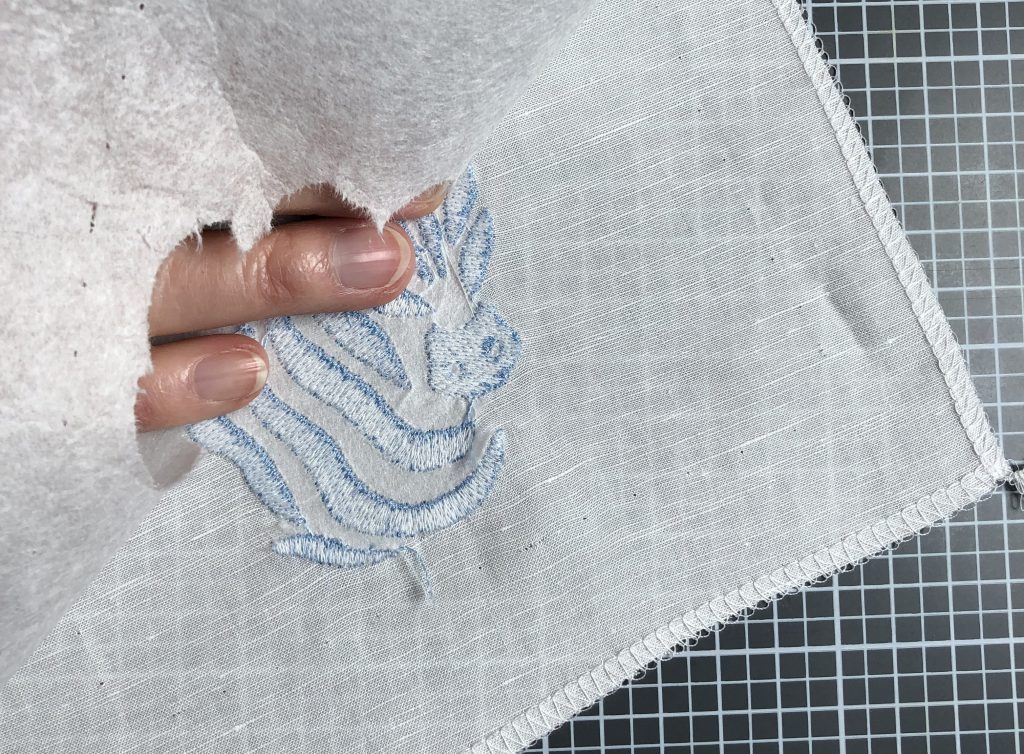
Cutaway stays in the garment permanently. After stitching, you trim the extra away from the design. It gives lasting support, even through many washes.
Best for: stretchy and unstable fabrics, dense designs, and anything that will be washed often.
Tear-Away Stabilizer
Tear-away comes off by hand after stitching. It supports the fabric during sewing, then pulls away from the stitches. It leaves less bulk behind.
Best for: stable woven fabrics, light designs, and items where a soft back matters.
Wash-Away Stabilizer
Wash-away dissolves in water. Some types come as a clear film for the top of the fabric. Others come as a fabric-like sheet for the back.
Best for: towels and fuzzy fabrics (as a topping), lace, and freestanding designs.
Heat-Away Stabilizer
Heat-away disappears when you press it with an iron. It works well when you want no leftover backing at all.
Best for: delicate or sheer fabrics where residue would show.
Best Stabilizer for Machine Embroidery by Fabric
This is the heart of the guide. Match your fabric to the type below.
T-Shirts and Knit Fabrics
Knits stretch, and stretch causes puckering. Cutaway is the best choice here. A medium weight, around 2.5 oz, suits most t-shirts. Use a lighter, “no-show” mesh cutaway for light-colored shirts, since regular cutaway can show through.
Polo Shirts and Pique
Polos are textured and stretchy. Use cutaway for support. Add a water-soluble topping if the stitches sink into the texture. Pique fabric has a raised weave that swallows fine detail without it.
Denim and Canvas
These fabrics are stable and heavy. Tear-away usually works well. For dense designs, a medium cutaway gives extra security.
Towels and Terry Cloth
The loops in terry cloth swallow stitches. Use a water-soluble topping on the front. Add tear-away or cutaway on the back, depending on how dense the design is. The topping keeps the stitches sitting on top of the pile.
Fleece and Hoodies
Fleece is thick and fluffy. Use cutaway on the back and wash-away topping on the front. Light, open designs work best. Dense designs can feel stiff on soft fabric.
Caps and Hats
Structured caps need firm support. Tear-away works for many stable caps. Use cutaway for softer, unstructured styles. Our guide on how to embroider a hat with an embroidery machine covers hooping and cap frames in more detail.
Silk, Satin, and Slippery Fabrics
These fabrics shift easily. Use a lightweight cutaway or a no-show mesh. Some stitchers add a light adhesive spray to hold the fabric in place. Choose smaller, lighter designs on these materials.
Lace and Sheer Fabrics
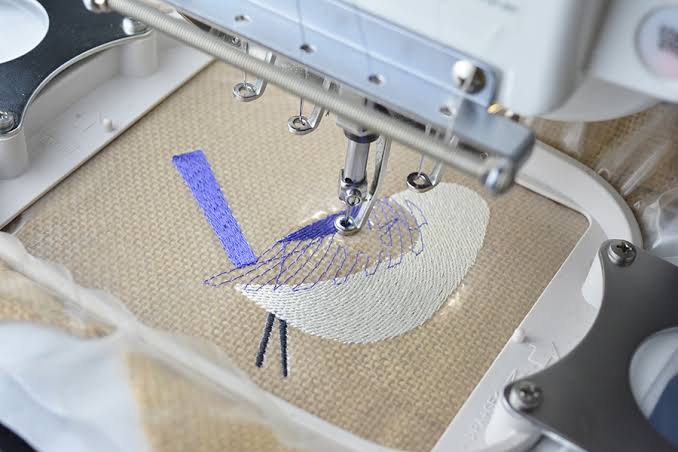
Wash-away or heat-away stabilizer is the usual choice. The stabilizer disappears after stitching and leaves no bulk behind. For freestanding lace, wash-away is essential.
Quilting Cotton and Stable Woven Fabrics
Tear-away is often enough. It gives support without adding weight. For dense designs, cutaway is a safer bet.
Leather, Vinyl, and Faux Leather
Choose a medium tear-away. Avoid dense stitching, because needle holes can weaken these materials. Use a fresh needle, and test on a scrap first.
Quick Reference Table
| Fabric | Best Stabilizer |
|---|---|
| T-shirts and knits | Cutaway |
| Polo shirts | Cutaway plus water-soluble topping |
| Denim and canvas | Tear-away or medium cutaway |
| Towels and terry | Wash-away topping plus tear-away or cutaway |
| Fleece and hoodies | Cutaway plus wash-away topping |
| Caps | Tear-away or cutaway |
| Silk and satin | Lightweight cutaway or no-show mesh |
| Lace and sheer fabric | Wash-away or heat-away |
| Quilting cotton | Tear-away |
How to Choose the Right Weight
Weight matters as much as type. A heavier stabilizer gives more support but adds stiffness.
- Light weight suits small designs and delicate fabrics.
- Medium weight handles most everyday projects.
- Heavy weight supports very dense designs and thick fabrics.
When you’re unsure, start with medium. Test on a scrap and adjust from there.
Does Design Density Change the Choice?
Yes. A dense design pulls harder on the fabric. It needs more support than a light one.
For a dense logo on a stretchy shirt, use cutaway. For a light outline on a stable woven fabric, tear-away is usually enough. A well-digitized file also helps, since the digitizer adjusts underlay and density to suit the fabric.
Common Mistakes When Choosing Stabilizer
A short list of errors causes most problems.
- Using tear-away on stretchy knits. The stitches distort over time.
- Skipping topping on textured fabric. Stitches sink and look messy.
- Using stabilizer that’s too light. The design puckers or gaps.
- Using stabilizer that’s too heavy. The finished piece feels stiff.
- Cutting the stabilizer too small. The hoop needs room to grip.
- Skipping a test stitch. Always try the combination on scrap fabric.
Tips for Better Results
- Cut stabilizer larger than your hoop.
- Hoop the stabilizer and fabric together.
- Use a spray adhesive for slippery or delicate fabrics.
- Keep a small stock of cutaway, tear-away, and topping on hand.
- Keep notes on what worked for each fabric.
- Match your design to your fabric. Light fabrics need lighter designs.
Frequently Asked Questions
What is the best stabilizer for machine embroidery overall?
There isn’t one answer. Cutaway is the most versatile and the safest for stretchy fabrics. Tear-away works for stable ones.
Can I use two layers of stabilizer?
Yes. Many stitchers layer stabilizer for dense designs or tricky fabrics. Two thin layers often work better than one thick one.
Do I need topping on every project?
No. Use it on textured fabrics like towels, fleece, and pique. Smooth fabrics usually don’t need it.
Will cutaway stabilizer feel scratchy?
Some types can. A soft, no-show mesh cutaway is gentler against skin. It’s a good choice for baby clothes and fitted shirts.
Can I reuse stabilizer scraps?
Yes. Leftover pieces work well for small designs. Just make sure each piece is large enough for the hoop to grip.
Final Thoughts
The best stabilizer for machine embroidery comes down to fabric, design density, and how the item will be used. Cutaway protects stretchy knits. Tear-away suits stable wovens. Water-soluble topping handles texture. Test your pairing on a scrap first, and you’ll avoid most puckering and shifting.
If you need a logo turned into a stitch-ready file, you can send your artwork over for digitizing. You can also browse ready-made, pre-digitized designs on our Etsy shop.