
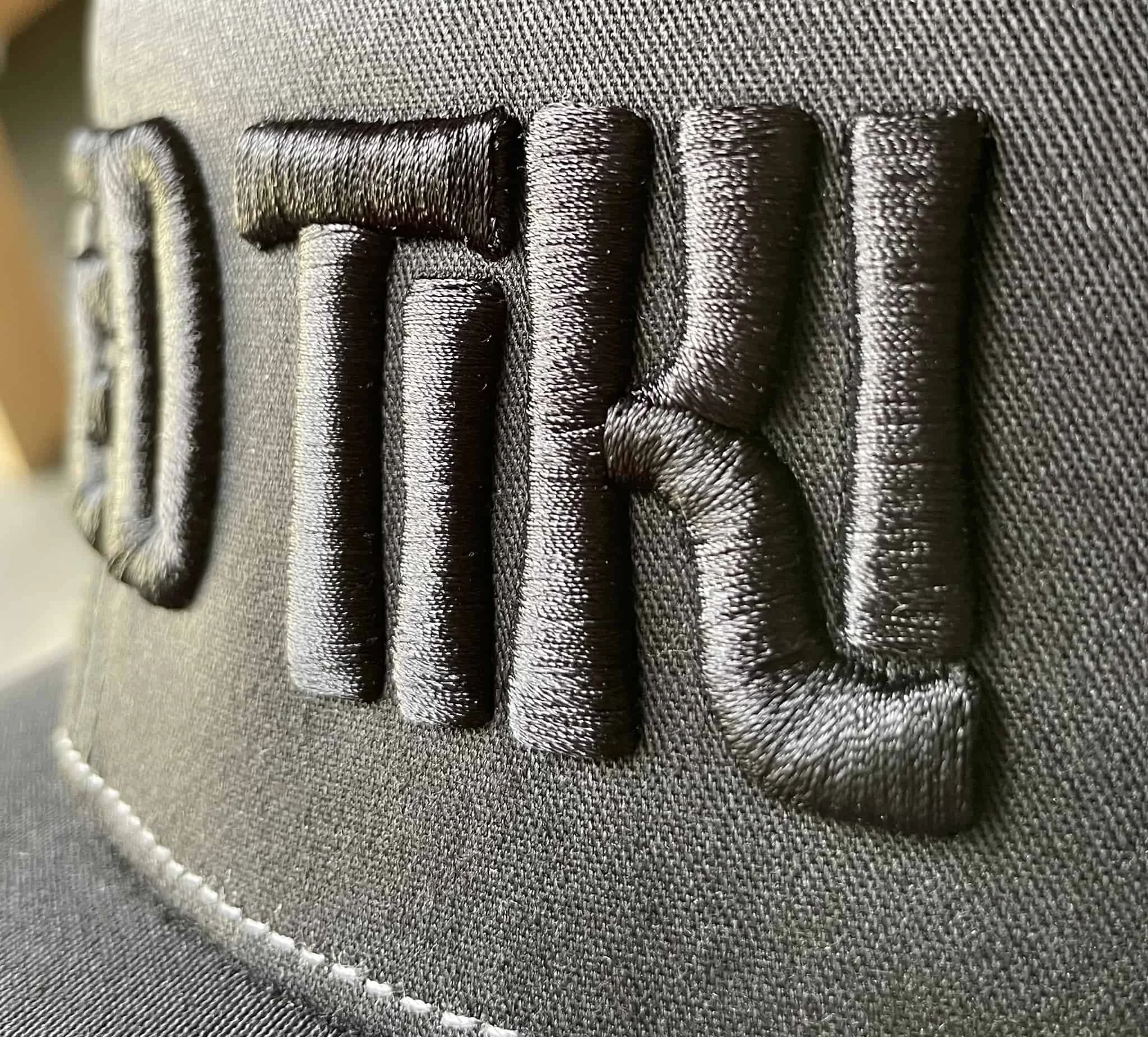
You’ve probably seen it on a baseball cap or a team jacket. The letters or logo sit raised off the fabric, almost like a soft sculpture. If you’re asking what is 3D puff embroidery, this guide has the answer. It covers how the technique works, where it looks best, and how to get clean results.
What Is 3D Puff Embroidery?
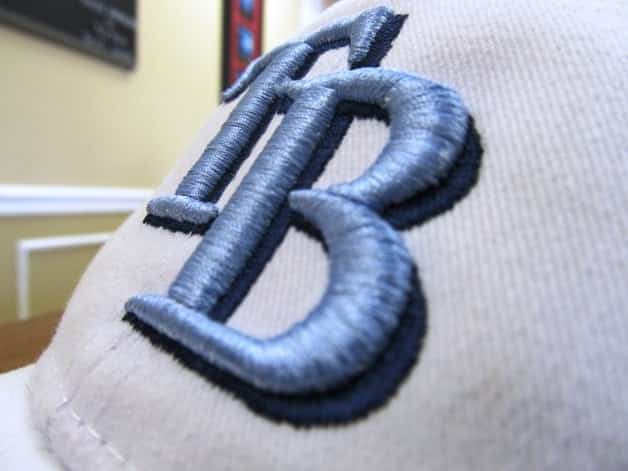
3D puff embroidery is a technique that makes parts of a design stand up from the fabric. A layer of foam is placed under the stitching. The machine then sews over the foam, and the thread covers it completely. The result is a bold, rounded shape with real depth.
So what is 3D puff embroidery in simple terms? It’s regular embroidery with a foam core that lifts the design. Flat stitching looks printed on. Puff stitching looks sculpted.
How Does 3D Puff Embroidery Work?
The process has a few clear stages:
- The embroiderer places a thin sheet of foam over the fabric, in the area where the puff will go.
- The machine first stitches a perforating pattern. This weakens the foam along the edges of the shape.
- Satin stitches then run over the foam. They press it down at the edges and cover the top.
- After stitching, the extra foam is torn away. Only the foam under the stitches remains.
The foam stays trapped inside the design. That is what creates the raised look.
Where Is 3D Puff Embroidery Used?
Knowing what is 3D puff embroidery is useful. Knowing where it shines is better. These are the most common uses:
- Baseball caps and hats. This is the most popular use by far. Puff gives logos a bold, premium look.
- Team and school apparel. Letterman jackets, varsity jackets, and hoodies often feature puffed letters.
- Sports logos. Team names and mascots stand out well in puff.
- Streetwear and custom merch. Brands use puff to create a signature texture.
- Bags and accessories. Small raised logos add a quality feel.
Our 3D puff embroidery designs are a good place to see how these styles look in practice.
What Designs Work Best?
Not every design suits puff. The technique works best with certain shapes.
Good choices:
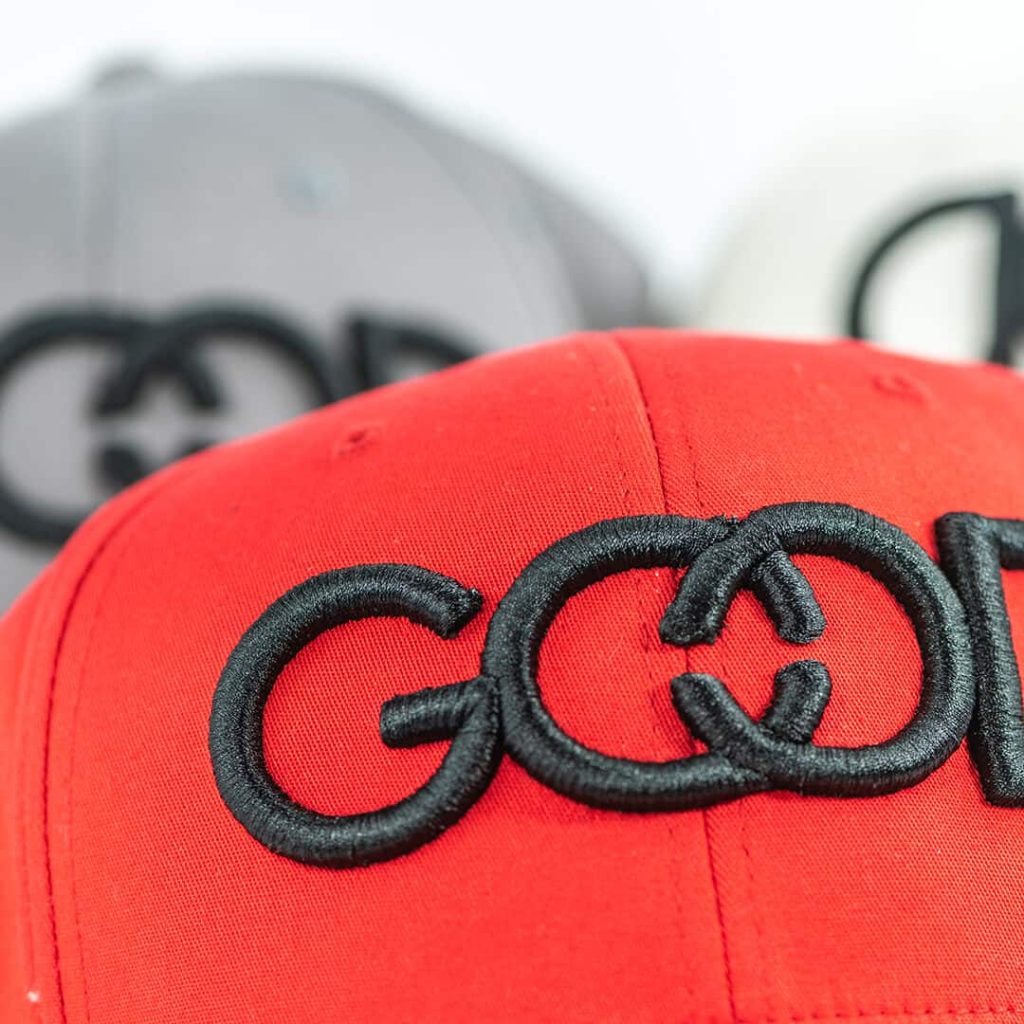
- Bold block letters
- Simple logos with thick shapes
- Large areas of solid color
- Short words and names
Poor choices:
- Thin lines and fine detail
- Small text
- Complex shading or gradients
- Very tiny elements
Foam needs room to hold its shape. Thin details get crushed or look messy. A good rule is to keep puffed areas at least a few millimeters wide.
Tips for Great 3D Puff Embroidery
A few habits make a big difference:
- Keep text large and bold. Small letters lose their shape under the foam.
- Choose the right foam. Thickness changes the height. Most work uses 2 mm or 3 mm foam.
- Match the foam color to your thread. Any foam that peeks out stays hidden.
- Use a design made for puff. A normal design won’t work with foam.
- Stabilize well. Caps and thick fabrics need proper backing.
- Run a test first. Check the height and edges on a spare piece.
Good digitizing is the biggest factor. A puff file uses special stitch settings that a regular file lacks.
Why Digitizing Matters So Much
Understanding what is 3D puff embroidery also means understanding the file behind it. A puff design isn’t just a standard design with foam added. The digitizer builds in the perforating stitches, the satin cover stitches, and the right density. They also set the stitch direction so the foam holds in place.
Poor digitizing causes common problems. Foam may show through gaps. Edges may look ragged. Letters may collapse or lose their shape. A skilled digitizer prevents these issues from the start.
Common Problems and How to Fix Them
- Foam showing through the stitches. Increase density slightly, or use foam that matches the thread color.
- Foam not tearing cleanly. The perforation stitches may be too weak. Adjust them in the file.
- Flat or weak-looking puff. The foam may be too thin. Try a thicker sheet.
- Messy edges. The design may have details that are too small. Simplify the shapes.
- Puckering around the design. Use stronger stabilizer and check your hooping.
Frequently Asked Questions
What is 3D puff embroidery used for most?
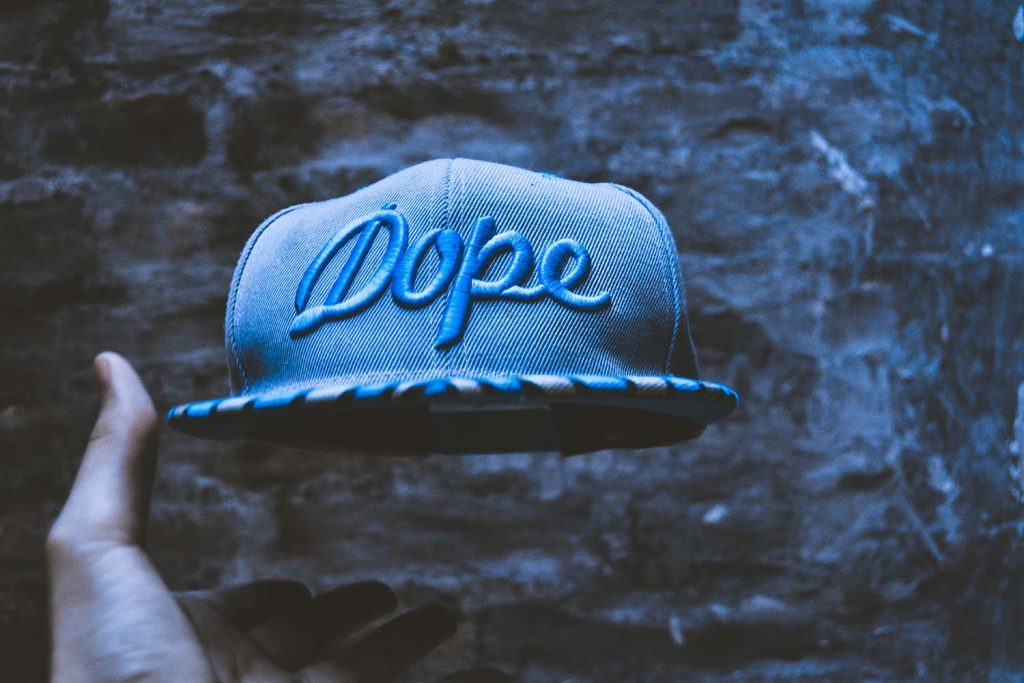
Caps are the top use. Hats with raised logos are a staple of team and streetwear styles. Jackets and hoodies come next.
Can I use any embroidery machine for 3D puff?
Most modern machines can do it. You need a design digitized for puff and the right foam. Multi-needle machines handle it best, but many home machines can manage it too.
Is 3D puff embroidery more expensive?
Usually, yes. It needs special digitizing, foam, and extra care in production. The premium look is why many customers choose it.
Can I wash items with puff embroidery?
Yes, in most cases. Follow the garment’s care label. Gentle washing and air drying help keep the puff in good shape.
What size should a puff design be?
Larger is easier. Text and shapes should be thick enough to hold foam. Very small puff elements often look messy.
Final Thoughts
So, what is 3D puff embroidery? It’s a raised, foam-backed stitching style that gives logos real depth. It works best on bold shapes, big letters, and simple designs. It shines most on caps and team apparel. With a well-digitized file and a quick test stitch, the results look sharp and professional.
If you want your logo turned into a puff-ready file, you can send your artwork over for digitizing. You can also browse ready-made, pre-digitized designs on our Etsy shop.